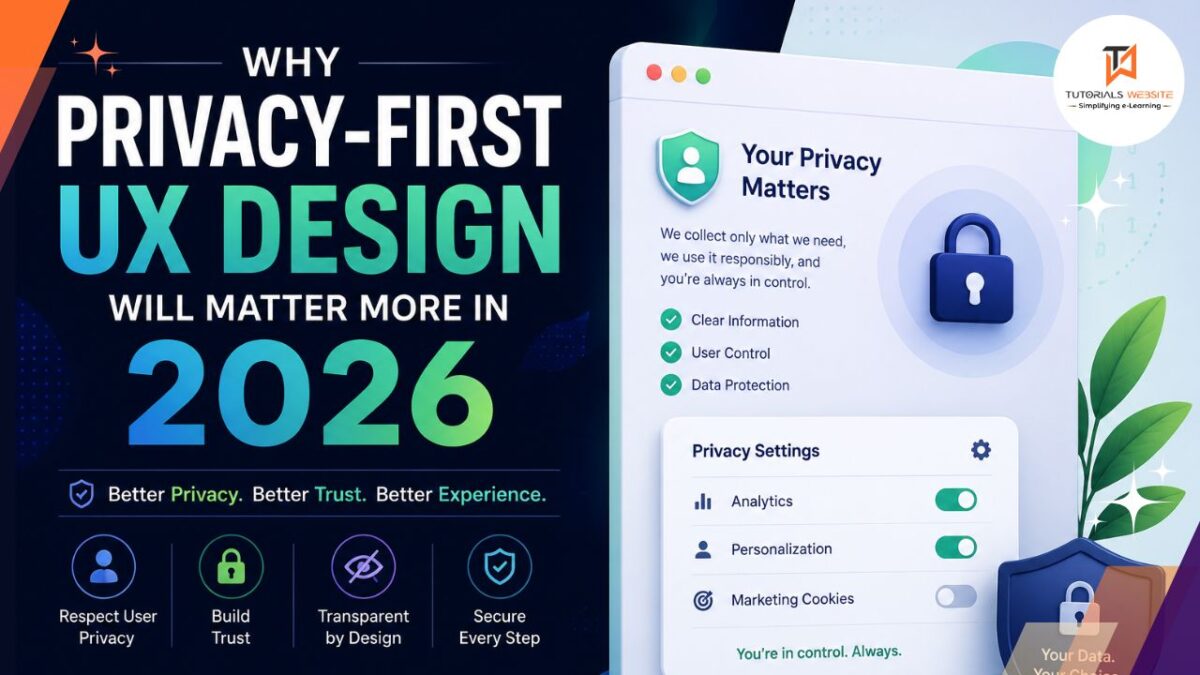
If you notice how websites work today, one thing becomes very clear — almost every website wants user data.
Sometimes websites ask for:
- email address
- phone number
- location access
- notification permission
- cookies tracking
and in many cases, users don’t even fully understand what information is being collected.
Are you in need of a skilled WordPress developer to bring your website vision to life?
Look no further! Whether you need custom themes, plugin development, site optimization, or ongoing support, I offer expert WordPress development services to suit your needs.
A few years ago, most people didn’t think much about online privacy. They clicked “Accept” on every popup without reading anything.
But things are changing now. Users have become more aware of how websites track their behavior. People are starting to care about:
- where their data goes
- who can access it
- how it is being used
Because of this, privacy is no longer just a technical or legal topic. It is becoming part of the overall user experience.
This is why privacy-first UX design is becoming more important for modern websites.
What Privacy-First UX Design Actually Means
In simple words, privacy-first UX design means creating websites that respect user privacy from the beginning instead of treating it like an afterthought.
It is about designing websites in a way that:
- collects only necessary information
- explains things clearly
- gives users more control over their data
- avoids hidden tracking
The idea is very simple:
users should feel safe while using a website.
A privacy-focused website does not try to confuse people with complicated settings or misleading buttons. Instead, it makes things transparent and easy to understand.
Why Privacy Has Become Such a Big Topic
There are several reasons why online privacy is becoming more important.
One major reason is that users now understand how much tracking happens online.
For example, many websites track:
- browsing behavior
- clicks
- search history
- device information
- location data
Sometimes this information is collected even when users do not realize it.
At the same time, news about:
- data leaks
- hacked accounts
- misuse of personal information
has made people more careful about which websites they trust.
Another reason is the growth of AI systems and personalized digital experiences. Many users are now asking:
“How much information are websites collecting about me?”
This is pushing businesses to think more seriously about privacy-friendly website design.
Why Privacy Affects User Experience
Many people think UX design is only about visuals or layouts.
But user experience is also about trust.
Imagine visiting a website that immediately shows:
- multiple popup requests
- aggressive cookie banners
- forced signups
- notification permissions
before you can even read the content.
Most users find this frustrating.
On the other hand, when a website feels simple, transparent, and respectful, people feel more comfortable using it.
This is why privacy and UX are now closely connected.
A website that respects users often creates a better overall experience.
Users Are Becoming More Selective
People today are much more careful online compared to before.
For example:
- many users reject unnecessary cookies
- some people disable tracking completely
- users avoid websites that feel suspicious
Trust has become a very important part of website design.
In fact, many users now decide whether they trust a business within the first few seconds of visiting a website.
Small details matter:
- clear privacy explanations
- simple forms
- secure payment pages
- transparent permissions
All of these things affect how users feel.
Good Privacy-First UX Is Usually Simple
One interesting thing is that privacy-focused design often improves usability as well.
For example:
- shorter forms are easier to complete
- clear permissions reduce confusion
- simple settings improve navigation
Instead of overwhelming users with too many requests, privacy-first websites focus on keeping things simple.
A good example is signup forms.
Some websites ask for:
- full name
- phone number
- address
- date of birth
even when only an email address is actually needed.
This creates unnecessary friction.
Privacy-first UX design encourages businesses to collect only the information they truly need.
Dark Patterns Are Becoming a Problem
Many websites still use something called “dark patterns.”
These are design tricks used to push users into actions they may not fully want.
For example:
- hiding the “Reject Cookies” button
- making unsubscribe buttons difficult to find
- automatically enabling tracking
- confusing privacy settings
Users are becoming smarter about these practices, and many people now see them as untrustworthy.
In the future, websites that use manipulative UX patterns may struggle to build user trust.
AI and Privacy Will Become More Connected
As AI becomes more common, privacy discussions will become even bigger.
AI systems often depend on user data to personalize experiences. Because of this, users will increasingly want to know:
- what data is being collected
- why it is being collected
- how long it is stored
This means websites in the future will need to balance:
- personalization
- convenience
- privacy
very carefully. Businesses that fail to respect privacy may lose user trust quickly.
What Developers and Designers Should Focus On
For developers and designers, this shift changes how websites should be built.
Get a professionally designed and developed website tailored to your needs.
As an experienced website developer based in Delhi NCR, I offer customized solutions to build responsive, SEO-friendly, and user-friendly websites. Whether it’s for a personal blog, business site, or e-commerce store, I ensure your online presence stands out.
Instead of only focusing on visuals, websites should also focus on:
- transparency
- accessibility
- security
- ethical design
Some simple improvements include:
- using clear cookie notices
- explaining permissions properly
- avoiding unnecessary data collection
- creating easy privacy settings
- securing forms and APIs
These things may seem small, but they create a much better experience for users.
Privacy-First Design Is Also Good for Business
Some businesses worry that privacy-friendly design may reduce marketing opportunities.
But in many cases, the opposite is true.
When users trust a website, they are often more willing to:
- engage with content
- create accounts
- make purchases
- return later
Trust helps businesses grow long-term.
In the future, privacy may become one of the strongest competitive advantages for digital businesses.
The Future of UX Design
UX design is evolving. Earlier, websites focused mostly on:
- visual appearance
- animations
- conversion optimization
Now the focus is shifting toward:
- trust
- transparency
- ethical design
- user control
Privacy-first UX design is becoming part of this change.
Websites that respect users will likely perform better in the long run compared to websites that rely heavily on tracking and manipulation.
Final Thoughts
The internet is changing quickly, and users are becoming more aware of how websites handle their information.
Because of this, privacy is no longer just a legal requirement. It is becoming part of good user experience design.
People want websites that feel safe, simple, and trustworthy.
This is why privacy-first UX design will likely become one of the most important web design approaches in 2026 and beyond.
Websites that respect users today are the ones most likely to earn trust tomorrow.

Pradeep Maurya is the Professional Web Developer & Designer and the Founder of “Tutorials website”. He lives in Delhi and loves to be a self-dependent person. As an owner, he is trying his best to improve this platform day by day. His passion, dedication and quick decision making ability to stand apart from others. He’s an avid blogger and writes on the publications like Dzone, e27.co