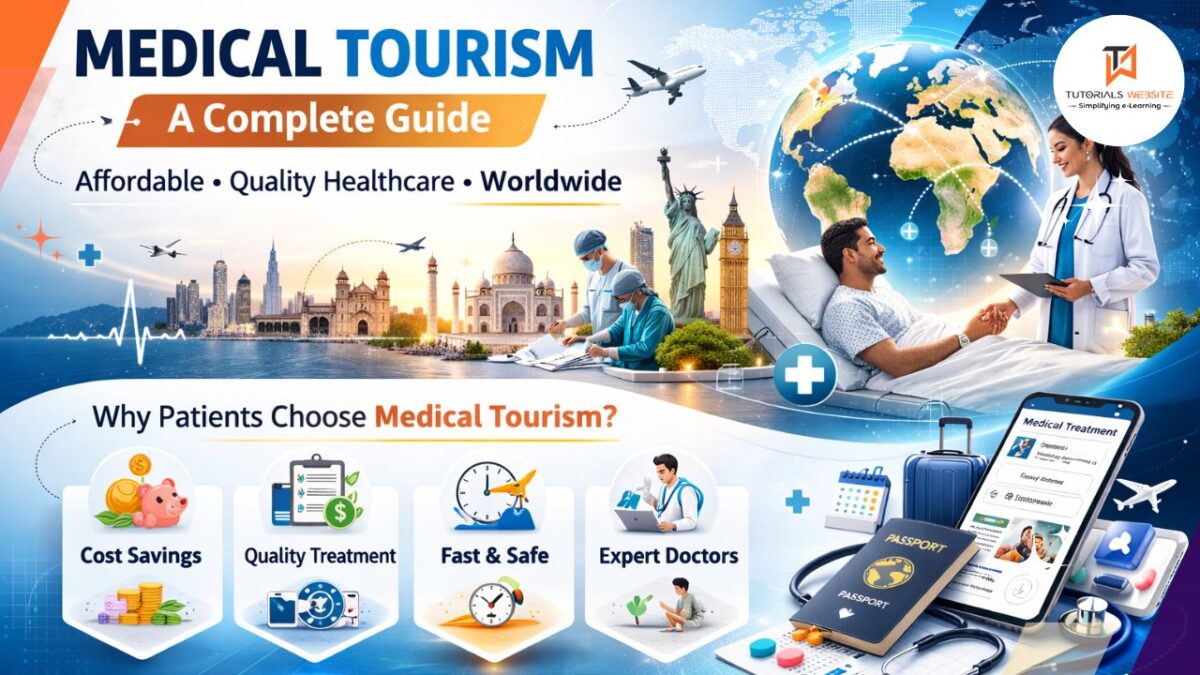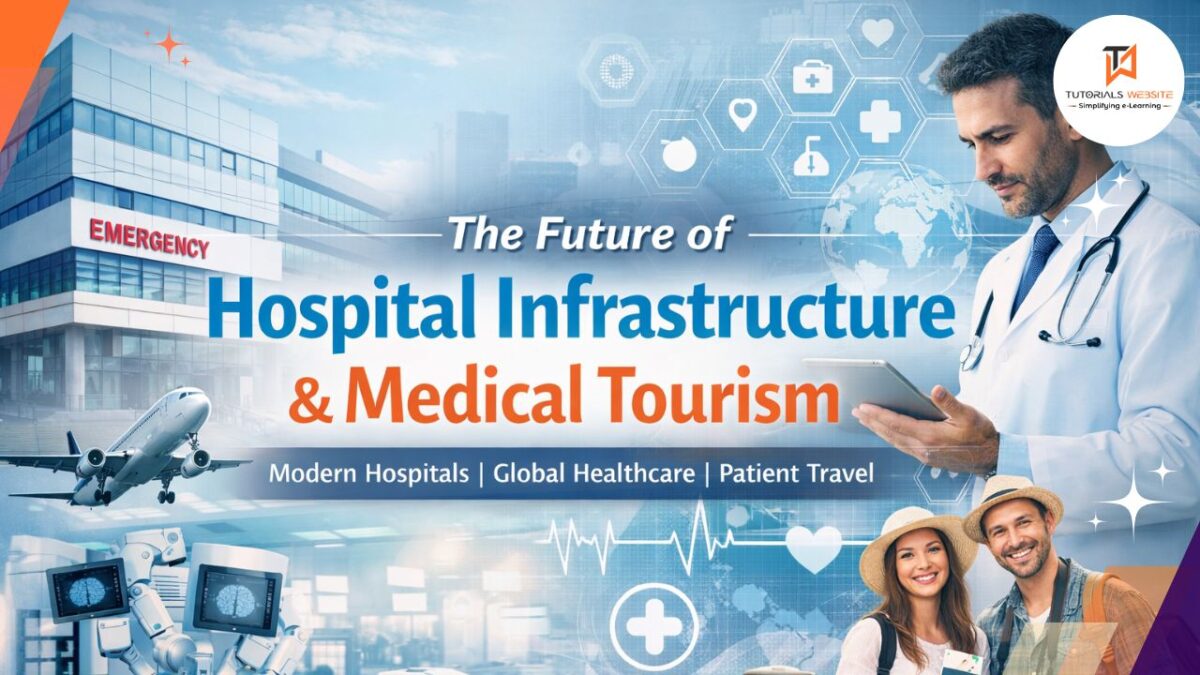
If you look at hospitals today and compare them to hospitals twenty years ago, the difference is huge. Earlier, hospitals were mostly about having enough beds, doctors, and basic machines. That was considered enough.
But now? Things are different.
Hospitals are expected to be smarter, faster, cleaner, more comfortable, and even more “global.” And this change is not random. It’s happening because healthcare itself is changing — and because medical tourism is growing faster than ever.
Hospitals Are Not Just Buildings Anymore
When people hear “hospital infrastructure,” they usually imagine a building. Maybe a big white building with an emergency board outside.
But infrastructure actually means everything that supports treatment:
- The building design
- The ICU setup
- Operation theatres
- Backup power
- Oxygen lines
- Digital record systems
- Even waiting areas
If these things are poorly managed, treatment suffers. If they are well-planned, everything becomes smoother.
Today, hospitals are being designed more like complete health ecosystems rather than just treatment centres.
We design and develop modern medical tourism websites tailored for hospitals, clinics, and healthcare agencies. From patient inquiry systems to multilingual support and appointment booking, everything built to grow your global presence.
Why Hospitals Are Being Redesigned
There are two big reasons.
1. Health Problems Are More Complicated Now
People are living longer, but many are living with long-term illnesses — diabetes, heart disease, joint problems, cancer. These are not “one-visit” treatments. They require regular monitoring and follow-ups.
Hospitals need systems that support long-term care, not just emergency care.
Also, after COVID, everyone realised something important: hospitals must be ready for sudden patient overload. Flexible ICU spaces, isolation areas, oxygen support — these are no longer optional.
2. Medical Tourism Is Growing Rapidly
This is where things get interesting.
Today, people don’t always stay in their own country for treatment. If surgery costs too much at home, or waiting time is too long, they look abroad.
India, Thailand, Turkey, Singapore — these countries are becoming popular because they offer good treatment at lower cost.
But here’s the thing: medical tourists don’t just compare prices.
They compare:
- Cleanliness
- Technology
- Hospital reputation
- Patient reviews
- Comfort
- Safety standards
If infrastructure is weak, international patients simply won’t come.
So hospitals that want global patients must upgrade not just doctors, but the entire experience.
Technology Is Changing Everything
Earlier, hospitals ran on paperwork. Files, reports, manual entries.
Now, most modern hospitals use digital systems. Records are stored electronically. Test results can be shared instantly. Doctors can access data from anywhere inside the hospital.
For medical tourists, this is important. Imagine a patient from Africa or Europe sending reports before flying to India. The hospital studies everything in advance. Surgery is planned even before arrival. That builds trust.
Artificial intelligence is also slowly becoming part of hospitals. It helps detect problems in scans, track patient vitals, and reduce paperwork load. Doctors still make decisions — but technology supports them.
Another big change is telemedicine.
Earlier, once a medical tourist returned home, follow-up became difficult. Now, video consultations make it easy. That means medical tourism is no longer “one-time travel treatment.” It becomes long-term connected care.
Hospitals Are Becoming More Comfortable
Let’s be honest — hospitals used to feel stressful. White walls, harsh lights, crowded waiting rooms.
Now, many new hospitals look different.
They focus on:
- Natural light
- Better ventilation
- Private rooms
- Space for family members
- International patient desks
- Multilingual staff
Why? Because recovery is not only physical. Mental comfort matters too.
And for medical tourists, comfort is very important. If someone travels thousands of kilometres for surgery, they expect not just treatment, but reassurance and care.
Hospitals now combine healthcare with hospitality.
Sustainability Is Entering Healthcare
Another interesting shift is environmental responsibility.
Hospitals use huge amounts of electricity and water. They produce large medical waste. That’s unavoidable but how it’s managed is changing.
New hospital designs include:
- Solar energy systems
- Better waste disposal
- Water recycling
- Energy-efficient machines
This reduces cost in the long run and improves the hospital’s image globally.
International patients increasingly prefer hospitals that follow responsible practices.
The Reality: Challenges Still Exist
Even with all these improvements, not everything is perfect.
Building modern hospital infrastructure costs a lot of money. Not every hospital can afford constant upgrades.
There is also a shortage of trained healthcare professionals in many countries. A beautiful building is useless without skilled doctors and nurses.
And one serious concern: sometimes private hospitals grow faster because of medical tourism, while public hospitals struggle with overcrowding.
Healthcare growth must be balanced so that local citizens also benefit, not just foreign patients.
India’s Position in This Changing World
India is in a strong position when it comes to medical tourism.
Why?
- Highly skilled doctors
- English-speaking staff
- Advanced private hospitals
- Affordable treatment compared to Western countries
People travel to India for heart surgery, orthopaedic procedures, fertility treatments, cosmetic surgery, and more.
But infrastructure development must continue beyond metro cities. Tier-2 and tier-3 cities also need strong hospitals if India wants long-term leadership in global healthcare.
So What Does the Future Look Like?
Hospitals of the future will likely be:
- More digital
- More connected internationally
- More flexible in design
- More patient-focused
- More environmentally responsible
Medical tourism will continue growing, especially as travel becomes easier and healthcare costs rise in developed countries.
The hospitals that succeed will be the ones that combine medical excellence with trust, transparency, and comfort.
Planning to Start a Medical Tourism Business?
If you’re building a hospital brand or medical tourism company, your website plays a huge role in building international trust. Patients compare hospitals online before they travel.
Hire a Medical Tourism Website Developer who understands healthcare, patient psychology, international SEO, and secure booking systems.
A professionally built website can help you:
- Attract global patients
- Showcase treatments clearly
- Build credibility
- Manage online consultations
- Generate qualified leads
👉 The right website can turn visitors into international patients.
Final Thoughts
The future of hospital infrastructure is not just about building bigger hospitals.
It is about building smarter systems.
It is about making patients feel safe, whether they are local or from another country.
It is about preparing for health challenges we haven’t even seen yet.
And most importantly, it is about understanding that healthcare is no longer local. It is global.
Hospitals that recognise this shift early will lead the next chapter of global healthcare, especially in the growing world of medical tourism.
Suggested Read: Medical Tourism: Benefits, Costs, and Travel Abroad for Treatment

Vikas Maurya is a professional blogger and Data analyst who writes about a variety of topics related to his niche, including data analysis and digital marketing.