How your business takes money isn’t just a simple transaction; it’s a key moment that can either help you grow or hold you back. Getting your payment strategy right isn’t only for big companies. For any business owner, making it easy for customers to pay is a powerful way to boost sales and improve cash flow.
Identify Your Payment Needs
Before picking the right payment tools, you need a clear idea of how your business runs. There’s no single solution that works for everyone. Ask yourself some important questions:
- Do you sell physical products online using a standard shopping cart?
- Are you a service business that sends invoices after the work is done?
- Do you collect deposits for custom orders or appointments?
- Do you need to accept payments in person at a store or on the go at markets?
Your answers will guide your choices. A freelance designer who invoices clients has very different needs from a coffee shop with a busy morning rush or an online store shipping products across the country. The first step to building a smarter system is to map out every situation where a customer pays you.
When you balance these administrative tasks with serving clients, time is your most valuable asset. Integrating time-saving processes, like automated billing alongside other simple productivity tools for busy professionals, can help you free up valuable hours so you can focus on growing your business rather than chasing down invoices.
Beyond Traditional E-commerce
Not every sale happens with a “buy now” button on a product page. Many businesses, like consultants, coaches, caterers, and craftspeople, don’t fit the usual e-commerce mold. You might need to collect a deposit for a custom project, bill for hours worked, or sell directly through social media posts. In these cases, a standard online checkout is awkward or impossible.
This is where flexible tools become essential. For service providers or those taking custom orders, it’s vital to have a simple, direct way for clients to pay. Sending easy-to-use payment links through email or a direct message can really speed up how quickly you get paid. This method avoids needing a full online store. It lets you create a payment request for a specific amount and send it straight to the customer, turning a conversation into a completed sale.
Simplify the Customer Journey
Every extra step or field a customer has to fill out during checkout makes it more likely they’ll give up on the purchase. Your goal should be to make paying you the easiest part of their day. This means offering the payment methods your customers actually prefer, which increasingly goes beyond just credit cards.
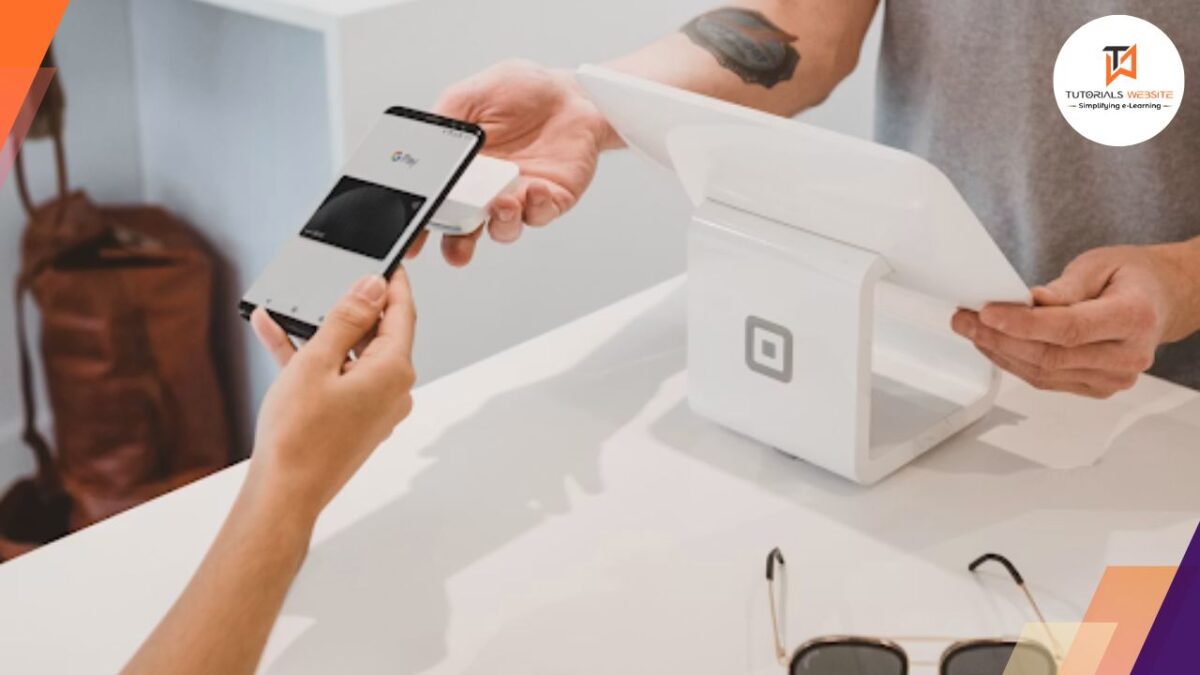
Digital wallets like Apple Pay and Google Pay allow for one-click payments, which is especially important for people shopping on their phones. Customer expectations are always changing, and younger generations have clear preferences. Understanding key gen Z payment trends can give you an advantage, as they often value speed and convenience above all else. A simpler process shows you respect your customer’s time and leads to more completed sales.
Secure Transactions Build Trust
While speed and simplicity are important, they can never come at the cost of security. Customers trust you with sensitive financial information, and they need to feel confident that their data is safe. Just one security problem can permanently harm your business’s reputation.
Make sure your website and payment gateways follow industry standards like PCI DSS. Using a reliable payment processor handles much of the hard work for you. Clearly showing trust signals like security badges and having a straightforward privacy policy can also reassure customers. As technology changes, so do payment methods. Staying informed about current e-commerce payment trends means understanding the security protocols that support them. This foundation of trust is crucial for long-term success.
Measure Impact on Revenue Growth
You shouldn’t just guess when putting new payment strategies in place. To know what’s working, you need to measure the results. Start by figuring out your key numbers before you make any changes.
Track how many people abandon their shopping carts. If you see a big drop after simplifying your checkout process, you know your efforts are paying off. For service businesses, measure how long it takes for an invoice to get paid. If new payment options cut that time from 30 days to just a few, that’s a direct improvement to your cash flow. Connecting your payment strategies to these real business results will show you exactly how much value they create.
Ultimately, improving how you get paid is an ongoing process of listening to your customers and adapting to new technologies. Small, smart adjustments can make a big difference to your bottom line.

Nidhi Maurya is a professional blogger and Content Writer who writes about a variety of topics related to his niche, including Web Tech, SEO, and digital marketing.