


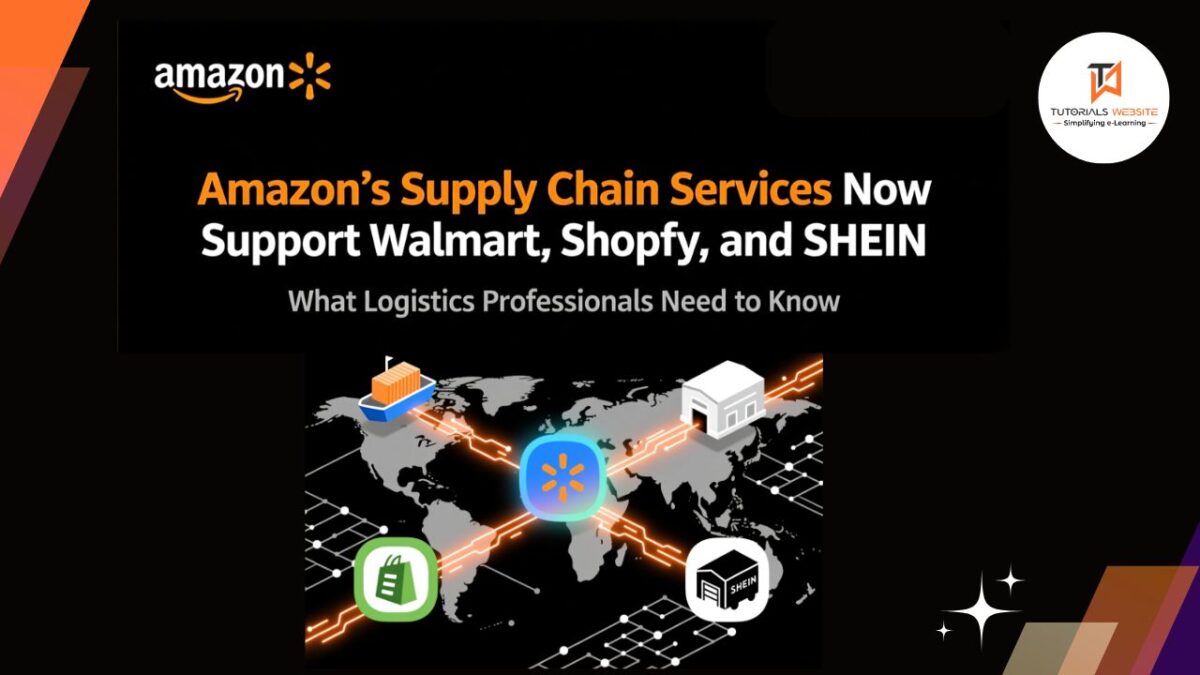
Amazon has expanded its Supply Chain by Amazon services to work with big players like Walmart, Shopify, and SHEIN. This is a big deal for businesses selling on multiple platforms and for logistics professionals managing the flow of goods. Amazon’s tools make it easier to handle everything from manufacturing to delivery, saving time and money. Here’s a simple breakdown of what’s new, why it matters, and what logistics pros should do.
Take your online store to the next level with a skilled Shopify expert.
Whether you’re starting from scratch or need improvements on your existing store, I provide custom solutions to optimize performance, enhance user experience, and boost sales. With in-depth knowledge of Shopify, I specialize in creating seamless, responsive, and user-friendly e-commerce websites.
What’s New with Amazon’s Supply Chain Services?
Amazon’s services now let sellers use its massive logistics network for orders from Walmart, Shopify, and SHEIN, not just Amazon. This means businesses can rely on Amazon’s warehouses, shipping, and smart tools to manage all their sales in one place. Here are the key points:
1. Global Warehousing and Distribution (GWD):
- Sellers can store products near factories (like in Vietnam or Georgia) instead of shipping everything to the U.S. or Europe right away.
- This cuts storage costs and speeds up delivery by up to 7 days, especially during busy times like holidays.
2. Amazon Global Logistics (AGL):
- Amazon now offers direct shipping routes from manufacturing hubs to major markets.
- By 2026, AGL will handle 96% of products going to Amazon’s fulfillment centers, making shipping faster and more reliable.
3. AI for Customs and Paperwork:
- Amazon’s AI tools automatically fill out customs forms and check for errors.
- Sellers have cut paperwork time by over 50%, avoiding delays at borders.
4. Multi-Channel Fulfillment (MCF):
- Sellers can now use Amazon’s warehouses to fulfill orders from Walmart, Shopify, and SHEIN.
- For example, Shopify sellers can connect their accounts to Amazon for automatic order processing. Walmart and SHEIN integrations work similarly, with SHEIN’s app launching by late 2025.
5. Automation for Smarter Operations:
- Amazon’s AI predicts demand, so sellers know where to store products to avoid running out or overstocking.
- It also coordinates trucks, planes, and ships for smoother, cheaper shipping.
Why This Matters for Logistics Professionals
This expansion makes Amazon a one-stop shop for logistics, helping businesses sell more efficiently across platforms. For logistics pros, it’s a chance to streamline operations and stay competitive. Here’s why it’s important:
- Unified Inventory: Sellers can manage stock for all platforms (Amazon, Walmart, Shopify, SHEIN) in one place, reducing confusion and waste.
- Faster Deliveries: Using Amazon’s network means quicker shipping, which keeps customers happy and boosts sales.
- Cost Savings: Storing products near factories and automating paperwork cuts expenses.
- Competitive Edge: As Amazon works with rivals like Walmart, logistics is becoming a battleground. Staying ahead means using smart tools like these.
What Logistics Professionals Should Do
To make the most of Amazon’s new services, logistics pros need to act smart. Here are actionable steps:
Check Your Tools:
- See if your current software (like transportation or inventory systems) can connect with Amazon’s platform.
- Tools that sync orders and inventory automatically will save time.
Rethink Inventory Placement:
- Store products closer to where they’re made or sold, based on Amazon’s demand forecasts.
- This can cut shipping costs by 10-20% in busy markets.
Try AI Tools:
- Start using Amazon’s AI for tasks like customs paperwork or freight planning.
- Test it on one part of your supply chain to see how it saves time before fully adopting.
Stay Ready for Changes:
- Walmart and Shopify might respond with their own logistics upgrades. Keep an eye out for new tools or pricing changes.
- Consider mixing Amazon’s services with your own strategies, like keeping control over supplier deals.
Get a professionally designed and developed website tailored to your needs.
As an experienced website developer based in Delhi NCR, I offer customized solutions to build responsive, SEO-friendly, and user-friendly websites. Whether it’s for a personal blog, business site, or e-commerce store, I ensure your online presence stands out.
The Big Picture
Amazon’s goal is to make logistics simple for sellers, handling over 5 billion products yearly with faster, greener shipping. For logistics pros, this is a wake-up call to embrace technology and integration. By using Amazon’s tools, you can focus on bigger tasks like planning or sustainability instead of manual work.
Start exploring Amazon’s Seller Central or Supply Chain portal to see how these services fit your needs. The future of logistics is here—faster, smarter, and more connected than ever.
Conclusion: A New Era for E-Commerce Logistics
Amazon’s move to support Walmart, Shopify, and SHEIN through MCF isn’t just growth—it’s proof that logistics has become the new battlefield in e-commerce. By offering faster and more flexible supply chains, Amazon gives sellers an edge while pushing traditional 3PLs to catch up. For logistics teams, the lesson is clear: adopt new tools, manage risks, and stay ahead of the curve. As the market keeps changing, knowledge will be your strongest advantage—because in supply chains, speed isn’t optional, it’s survival.
For more on Amazon’s announcements, visit their official seller resources.


Vikas Maurya is a professional blogger and Data analyst who writes about a variety of topics related to his niche, including data analysis and digital marketing.